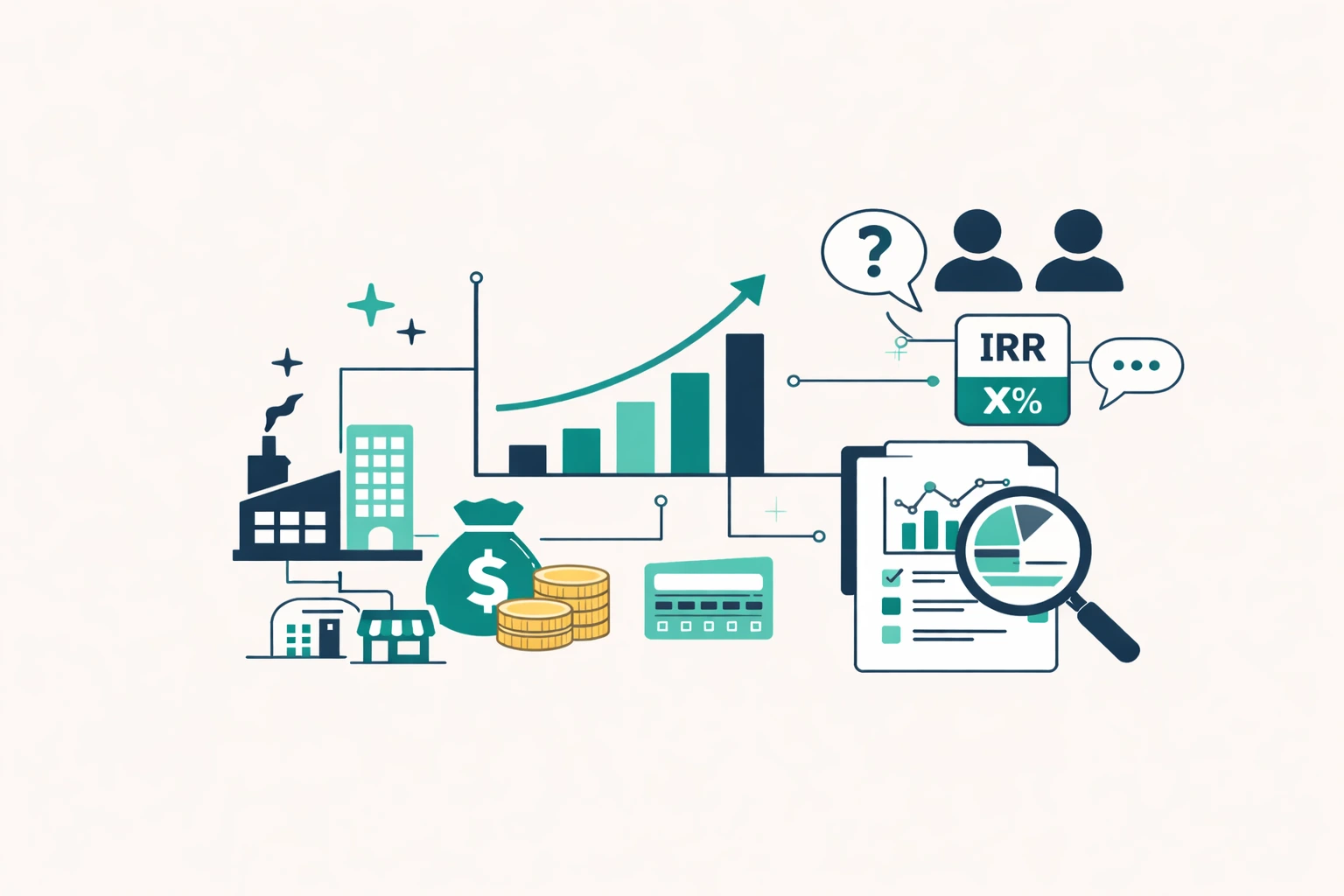
Limited Partners ask tougher questions than ever before. During due diligence, they probe beyond headline IRR numbers to understand exactly how your firm creates value. Which operational levers drove performance in your portfolio? How do your exits compare across different sectors and vintages? What specific actions separated winners from underperformers?
Many GPs cannot answer these questions with precision. Their portfolio data sits scattered across systems, reported inconsistently, and analysed manually when needed. This article shows you how to connect portfolio performance data to your fundraising process. You'll learn:
Portfolio data quality determines whether you can construct a believable, evidence-backed story about your investment approach.
Poor data quality creates tangible fundraising obstacles. GPs working from fragmented spreadsheets or inconsistent metrics waste weeks compiling responses to LP data requests. Missing attribution data makes it impossible to demonstrate which specific actions drove returns.
Strong data infrastructure delivers the opposite outcome.
LPs evaluate data quality as a proxy for operational capability. If you cannot efficiently organise your existing portfolio, investors question your ability to manage larger, more complex funds.
Limited Partners scrutinise specific data points that reveal fund management quality and return drivers.
LPs want to understand which factors contributed to returns. Was outperformance driven by sector selection, operational improvements, or multiple expansion? Portfolio performance analytics enable you to break down returns by these dimensions, providing clear answers rather than vague claims.
Generic statements about adding value carry little weight. LPs expect quantified evidence: revenue growth rates, EBITDA margin improvements, or operational KPIs tracked consistently across the portfolio.
Investors assess whether strong performance appears across your portfolio or concentrates in a few outliers. Consistent data tracking reveals patterns that strengthen your investment thesis for the next fund.
Most General Partners collect substantial portfolio data but fail to leverage it effectively during fundraising.
Portfolio data typically lives across multiple tools: Excel models for financial projections, separate CRM systems for deal flow, and standalone databases for operational metrics. Consolidating this information into coherent fundraising materials requires manual effort prone to errors.
Different portfolio companies report metrics using varied definitions or timeframes. One company measures ARR differently from another. These inconsistencies make portfolio-level analysis unreliable and fundraising narratives less credible.
Spreadsheets provide basic calculations but struggle with multidimensional analysis. Answering questions like "How did our SaaS investments perform relative to market benchmarks?" requires combining multiple data sources—a time-consuming task without proper infrastructure.
Read more: Effective Fundraising: Tools and Techniques for Capital Raising Success
Today’s portfolio management software addresses the structural challenges that prevent GPs from using performance data effectively.
Speed matters during fundraising. GPs competing for allocations must respond to LP questions quickly and thoroughly.
Clean portfolio data eliminates the lag between receiving questions and providing answers. Instead of spending days gathering information from multiple sources, you query your system and generate accurate responses within hours. This responsiveness signals competence and respect for investor time.
Structured data also enables self-service exploration. Granting controlled access to portfolio analytics platforms allows sophisticated investors to dig deeper into areas of interest without generating endless information requests.
Faster fundraising cycles reduce opportunity costs. Each week saved allows your team to focus on sourcing deals, supporting portfolio companies, or preparing for the fund's first close.
Data-driven narratives carry more weight than generic investment theses.
LPs hear countless pitches claiming differentiated sourcing or operational expertise. Without supporting evidence, these claims blend together. Performance data transforms abstract capabilities into concrete demonstrations of past success.
Your portfolio data reveals patterns that should inform strategy articulation. If analysis shows consistent outperformance in specific subsectors or geographic markets, your next fund's strategy should reflect this insight. LPs appreciate strategies grounded in demonstrated capabilities rather than aspirational expansion into unfamiliar territory.
Retroactively organising portfolio data for fundraising creates unnecessary work and risk. Purpose-built systems established early deliver compounding benefits.
How often should GPs update portfolio performance data for fundraising purposes?
Update portfolio data quarterly at a minimum to maintain accuracy. During active fundraising, monthly updates ensure responsiveness to LP questions and reflect recent developments that strengthen your narrative.
What's the minimum viable dataset for fundraising credibility?
At minimum, track revenue, EBITDA, cash flow, and key operational metrics consistently across all portfolio companies. Include entry and current valuations, ownership percentages, and capital deployed for each investment.
Should GPs share underperforming investment data with prospective LPs?
Yes. Transparency about challenges alongside successes builds credibility. Frame underperforming investments as learning opportunities and demonstrate how insights inform portfolio management improvements and future investment decisions.
How can smaller GPs compete with larger funds' data capabilities?
Focus on data quality over quantity. Consistent tracking of core metrics across a smaller portfolio often proves more valuable than extensive data poorly organised across hundreds of investments.
Portfolio performance data represents one of your most valuable fundraising assets. Clean, structured analytics enable you to build credible track records, respond efficiently to due diligence requests, and articulate data-driven investment strategies that differentiate your fund.
The connection between portfolio management and fundraising success only strengthens as LP sophistication increases. Investors expect granular performance attribution, quantified value-creation evidence, and rapid responses to analytical questions.
Building fundraising-ready systems from day one compounds benefits across your firm's lifetime. Each fund you raise becomes easier as historical data accumulates and analytical capabilities mature.
Book a demo to see how Capcade connects portfolio performance and fundraising workflows in a single, compliant platform.


.svg)


.svg)


.svg)